
Kansai Dialect Mini-Lesson #31: What does “chacchato” mean?
“Chacchato” is a Kansai dialect word meaning “hurry up” or “do it quickly.” It’s commonly used by parents when telling kids to move faster.
Learn real Kansai dialect expressions with explanations, example sentences, and cultural context. Perfect for learners who want to go beyond standard Japanese!

“Chacchato” is a Kansai dialect word meaning “hurry up” or “do it quickly.” It’s commonly used by parents when telling kids to move faster.

In Kansai dialect, “bonbon” refers to a rich kid—especially a boy born into a wealthy family. Learn how it differs from standard Japanese.
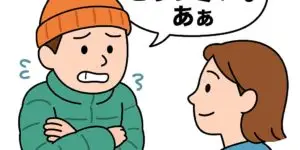
“Gottsu” is a Kansai dialect word that means “very” or “super.” It’s similar to “meccha” but has a slightly more masculine and old-school.
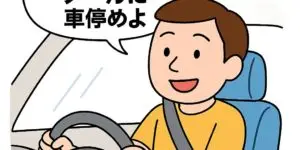
In Kansai, “motor pool” refers to a parking lot—usually a monthly rental space. It comes from American English but is only used in Kansai.

“Tsukkake” is a Kansai word for slippers or backless sandals you can easily slip on. Learn how it differs from standard Japanese.

In Kansai dialect, “shindoi” means “tired” or “exhausted.” Originally a regional expression, it’s now common throughout Japan.
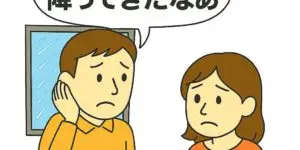
In Kansai dialect, people say “youke” or “gyousan” instead of “takusan” to mean “a lot.” Learn how these words are used in daily speech.
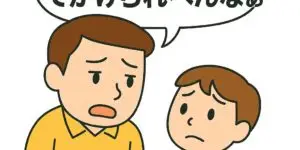
In Kansai dialect, the negative verb endings “〜hen” and “〜hin” replace the standard “〜nai.” This page explains how to use them with examples.

“Pachimon” is a Kansai dialect word that means “fake” or “knockoff.” While it’s not used much outside of Kansai.

In Kansai dialect, “chau” is the friendly, casual version of “chigau,” meaning “that’s not right.” Learn how to use it in conversations.